

Blog

  • Iran-Israel War Disrupts Middle East Tourism, Losses Reach $600 Million Daily

    Iran-Israel War Disrupts Middle East Tourism, Losses Reach $600 Million Daily

    The ongoing conflict between Iran and Israel is placing significant pressure on the Middle East’s travel and tourism sector, with industry estimates indicating losses of up to $600 million per day in international visitor spending. The disruption is being felt across airlines, airports, hotels, and tour operators as regional instability affects travel demand.

    According to World Travel & Tourism Council (WTTC), the financial impact stems primarily from reduced air connectivity, flight cancellations, and declining traveler confidence. The organization had previously projected a strong year for the region, with international visitor spending expected to reach approximately $207 billion in 2026 before the conflict escalated.

    The Middle East serves as a critical hub in global aviation networks, making it particularly vulnerable to geopolitical disruptions. The region accounts for about 5 percent of global international tourist arrivals and nearly 14 percent of global transit traffic, meaning that any disruption can have widespread consequences beyond its borders.

    Airspace restrictions and operational challenges have forced airlines to reroute or suspend services, increasing travel times and costs. Major transit hubs across the region are experiencing reduced passenger volumes as travelers reconsider routes that pass through affected areas. This has created a cascading effect across the broader travel ecosystem, impacting not only airlines but also hospitality providers and related services.

    Tourism-dependent economies within the region are among the hardest hit. Hotels have reported declining occupancy rates, while tour operators are seeing cancellations and reduced bookings. The slowdown is particularly notable given earlier expectations of strong post-pandemic recovery and increased international travel demand.

    Industry analysts note that the psychological impact of conflict plays a major role in travel decisions. Even destinations not directly affected by the conflict are experiencing reduced demand due to broader regional perceptions of risk. This highlights the interconnected nature of global tourism, where instability in one area can influence travel patterns worldwide.

    As the situation continues to evolve, the long-term impact on Middle East tourism will depend on how quickly stability can be restored and traveler confidence rebuilt. For now, the sector faces ongoing uncertainty, with financial losses continuing to mount as travel flows remain disrupted.
  • Passenger Traffic Surges at San Francisco International Airport

    Passenger Traffic Surges at San Francisco International Airport

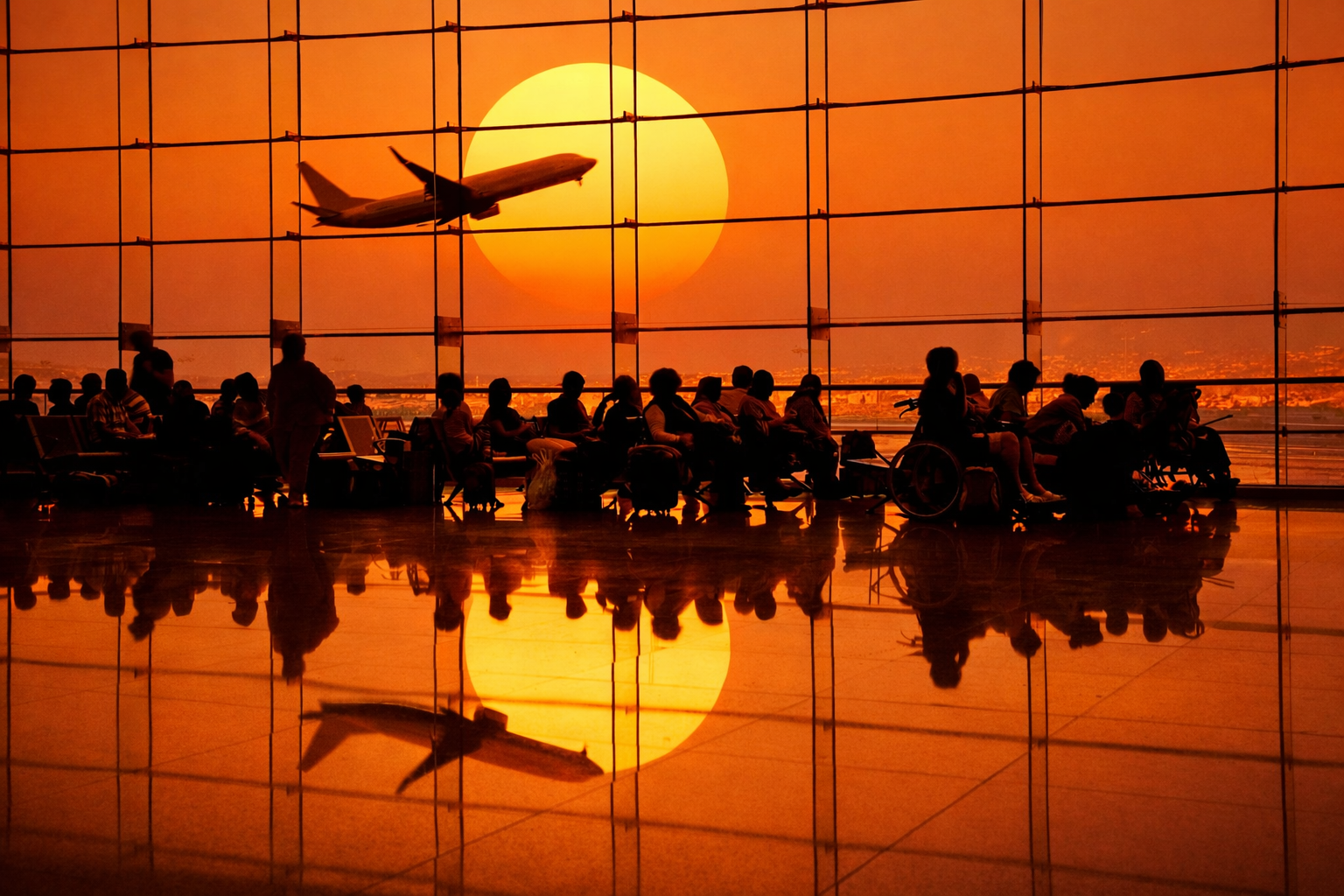
    San Francisco International Airport has emerged as a major focus in global travel trends, with passenger volumes rising steadily in recent months. Located in San Francisco, the airport serves as a key gateway to the United States, particularly for travelers arriving from Asia and Europe.

    Recent data indicates a noticeable increase in both domestic and international flight activity at SFO. Airlines have expanded routes and frequencies to meet growing demand, reflecting renewed confidence in global travel. Industry observers note that business travel, tourism, and international events have all contributed to the surge in passenger numbers.

    Airport authorities have also introduced operational improvements to handle the rising traffic. Enhanced security screening processes, digital check-in systems, and upgraded passenger facilities have been implemented to improve efficiency. These developments aim to reduce waiting times and ensure a smoother experience for travelers passing through one of the busiest airports in the country.

    In addition to operational upgrades, sustainability initiatives remain a priority at San Francisco International Airport. The airport continues to invest in environmentally conscious infrastructure, including energy-efficient terminals and waste reduction programs. Such efforts align with broader goals to reduce the environmental impact of aviation while maintaining high service standards.

    Travel experts suggest that SFO’s strategic location plays a vital role in its continued growth. As a hub connecting North America with the Asia-Pacific region, the airport benefits from strong demand across multiple travel segments. This includes leisure travelers exploring California’s attractions as well as corporate travelers attending business engagements in the Bay Area.

    Looking ahead, the upward trend in passenger traffic is expected to continue, supported by expanding airline partnerships and increasing global mobility. While challenges such as operational capacity and fluctuating travel regulations remain, San Francisco International Airport appears well-positioned to adapt to evolving industry dynamics.

    The ongoing developments at SFO highlight its importance within the global aviation network. As travel demand continues to rebound, the airport is set to play a crucial role in shaping the future of international connectivity.